The Safeguards Are Banned
Cities must allow low-barrier PSH wherever homes or hotels are allowed. As a condition of approval, they cannot add spacing, operating rules, or permit hurdles beyond those for an ordinary apartment.
Low-barrier “Permanent Supportive Housing” (PSH) targets individuals with serious behavioral issues, substance abuse problems, and criminal histories. We support low income housing and services for those in need, but low barrier PSH is the wrong model for our communities. Call on our state legislature to fix HB 2266 and stop mandating these facilities near our schools, parks, and homes.
What is "Permanent Supportive Housing"?
Permanent Supportive Housing is sold as housing with wraparound services for people with disabilities. In reality they are low-barrier facilities for people with major behavioral problems, uncontrolled drug abuse, and criminal records. No treatment is required.
Learn more about what the reality of PSHThe Legislature overrode local safeguards
Low-barrier PSH does not require sobriety or treatment. HB 2266 deliberately banned the buffers, hearings, and operating rules cities used to keep it out of the wrong places and to require safe operation.
Cities must allow low-barrier PSH wherever homes or hotels are allowed. As a condition of approval, they cannot add spacing, operating rules, or permit hurdles beyond those for an ordinary apartment.
Cities can no longer require a public meeting or hearing before approval. Staff sign off. A shelter meeting, if any, comes after the permit is issued. Permanent Supportive Housing does not even get that notice.
The only school-distance tool left is a 500-foot negotiation, and it covers emergency shelters, not Permanent Supportive Housing. Mercer Island repealed its 600-foot buffer to comply.
Developers can skip affordable units by paying about $25 a square foot, then pass that cost on to working people buying homes — about $25,000 more for a typical unit. On Mercer Island that is an estimated $31 million. With grants, about $102 million to finance low-barrier PSH.
The 2027 session is the window for action
Organized "housing first" advocates created these mandates. Organized constituents can fix them. Contact your State Senator and two State Representatives now and demand a public commitment to corrective legislation in 2027.
01
Enter your address or choose your district to see how your Senator and two Representatives voted on HB 2266, and who is running for each seat this November.
Your address is sent only to OpenStreetMap and Washington State's map service to find your district. We don't store it. Not sure? Use the official District Finder.
Your legislators
Whoever wins these seats will decide whether HB 2266 gets fixed. Know where every candidate stands before you vote, and share it with your neighbors.
Grade: how likely each person is to correct the PSH mandates. A no vote on HB 2266 or a commitment to fix PSH counts strongly in favor; a yes vote counts strongly against, and sponsorship or endorsements from low-barrier housing advocates count against. People with none of these on record are marked Incomplete.
02
More than 1,780 Mercer Island neighbors have signed a petition asking the Legislature to revise the low-barrier housing rules in HB 2266. Add your name, or start a similar petition for your own community.
03
Forward this site to neighbors, HOAs, and local businesses to maintain momentum ahead of the legislative session.
Grassroots contributions pay for outreach, research, and organizing in all 49 legislative districts.
Already landing on neighborhoods
Bellevue, Seattle, and Kirkland show what happens when a single site concentrates people who are not required to be sober or in treatment. Surging police calls, assaults, a fatal overdose that went unnoticed for days, and placement near schools over the objections of parents. That is the model being forced on every community in Washington.
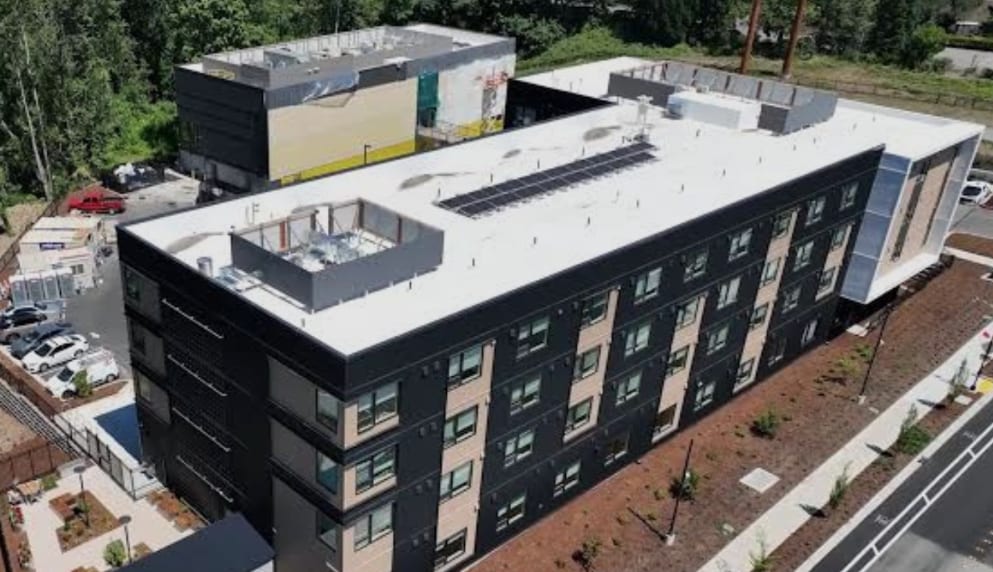
Bellevue — Eastgate
Bellevue's first PSH, beside a men's shelter. Police calls have surged.
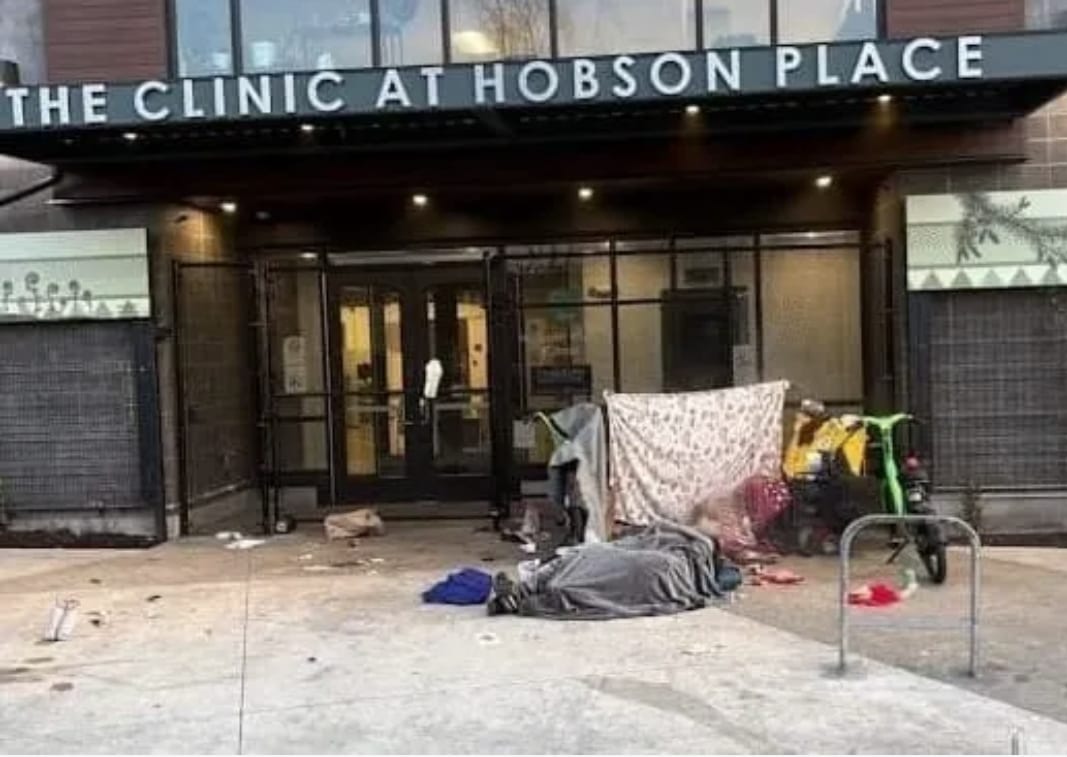
Seattle — Rainier Valley
177 studios. This address led Seattle in misdemeanor assaults.
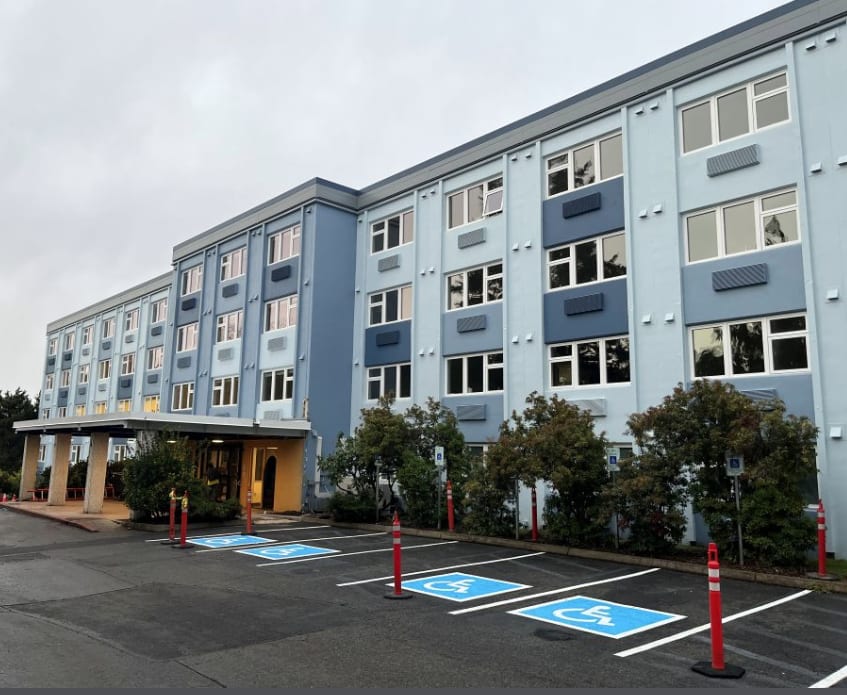
Kirkland — near Northup Way
101 low-barrier homes near schools, bought before a public meeting.

What drives PSH mandates
A well-organized network is investing money, technical expertise, legal pressure, and political endorsements to remove local barriers to its preferred housing model. Residents who want safeguards must organize with equal clarity and persistence.
Read the exposeOur legislative platform
We are calling on the State Legislature to amend HB 2266 in the 2027 session to restore local, community-led planning:
Allow cities to maintain reasonable buffers between emergency housing, PSH, and sensitive areas like homes, schools, licensed daycares, and community centers.
Ensure the public's voice is preserved by requiring public hearings before siting and approving low-barrier housing projects.
Explicitly allow cities to meet housing targets through interlocal agreements to develop emergency housing in appropriate, supported locations.
Require PSH operators to actively connect residents with appropriate behavioral-health and substance-use treatment, maintain enforceable safety plans, publicly report treatment-engagement and safety outcomes, and face corrective action when programs fail to deliver.
Campaign updates and news
We launched the petition after the state forced Mercer Island to allow PSH in all residential areas. The community immediately rallied, gathering over 340 signatures in the first 24 hours.
As the petition passed 500 supporters, campaign organizers met with State Representatives My-Linh Thai and Janice Zahn to explain how HB 2266 restricts local siting decisions and operational safety requirements. Both representatives accepted petition materials and expressed interest in continuing the discussion.
After the Mercer Island Reporter covered the petition, Senator Lisa Wellman publicly committed to supporting reasonable adjustments in the next legislative session, and Representative Janice Zahn emphasized local and regional collaboration. The campaign also urged the City Council not to adopt HB 2266 provisions ahead of the 2028 state deadline.
Residents spoke against adopting the HB 2266 provisions, but the Mercer Island City Council unanimously approved the Comprehensive Plan amendments. The vote reinforced that restoring siting safeguards and public input will require action by the State Legislature.
Senator Lisa Wellman's office committed to request a Senate work session on HB 2266's effects on smaller, geographically constrained cities, begin drafting corrective legislation with community and stakeholder input, and host an in-person listening session for 41st District residents.
During public comment, the campaign asked the School Board to support mandatory district consultation for PSH proposed near schools and full state funding for any additional security measures. Board members discussed the concerns but took no action.